 French
  English
  Spanish
  German
  Russian
  Vietnamese
  Italian
  Portuguese
  Romanian
  Japanese
  Korean
 Baccarat Cheat Equipment: What Professional Players Use at the Table

Baccarat moves faster than any other card game in the casino—up to 60 hands per hour on a busy table. At that speed, operators who rely on intuition or luck are bleeding money. The players who consistently walk away ahead at baccarat tables are using baccarat cheat equipment designed specifically for the game’s unique pace and rules.
This guide covers the equipment professional baccarat players use, how it works, and what to look for when investing in a baccarat cheating system.
Why Baccarat Requires Specialized Equipment
Poker cheating equipment is optimized for a game where players make decisions over several betting rounds with pauses between hands. Baccarat is the opposite: cards are dealt, a result is declared, and the next hand starts immediately. There is no time to calculate pot odds, study opponent tells, or weigh bet sizing.
Baccarat cheat equipment must be:
- Faster: Card reading and result delivery must happen in under 0.5 seconds.
- Automated: No manual input or decision-making is involved. The system reads the cards and tells you what to bet.
- Baccarat-specific: Poker analyzers calculate hand equity; baccarat systems predict Banker/Player/Tie outcomes based on known card sequences.
The Baccarat Cheating Shoe
The most important piece of baccarat cheating equipment is the modified dealing shoe. A normal baccarat shoe holds 6-8 decks and dispenses cards one at a time. A cheating shoe looks identical but contains hidden electronics:
- A micro-scanner mounted inside the shoe mouth reads each card’s barcode markings as it is drawn.
- A processor inside the shoe body calculates the next likely outcome based on the known card sequence.
- A wireless transmitter sends the bet recommendation to the player’s receiver (earpiece or vibration device).
The entire read-and-transmit cycle happens in roughly 0.3 seconds—faster than the dealer can place the card on the table. By the time the next card leaves the shoe, the player already knows what to bet.
Cheating shoes are the single highest-impact piece of baccarat equipment because the shoe is the one object that touches every card. A shoe-based system eliminates the need for the player to carry any scanning device. The shoe does all the work.
Pre-Marked Baccarat Cards
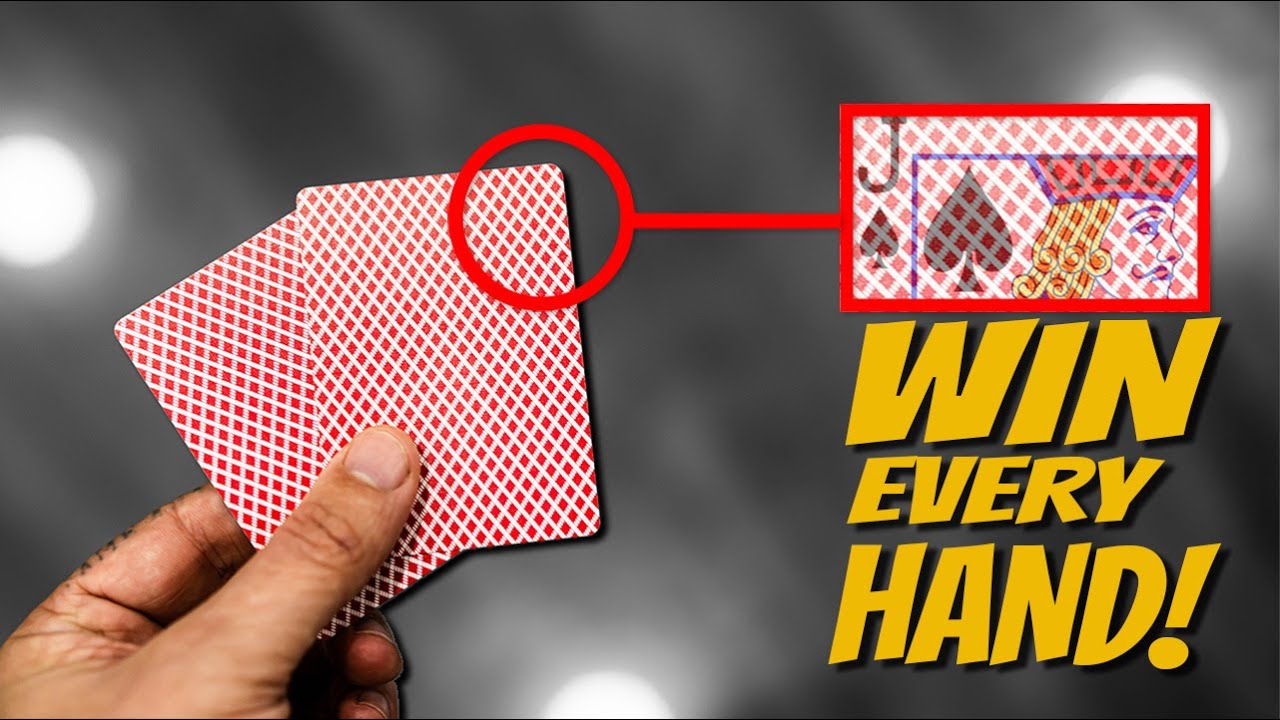
The shoe scanner can only read cards that have been marked. Pre-marked baccarat decks use edge barcodes encoded with suit and rank data, just like marked poker cards. The difference is volume: a baccarat game burns through 6-8 decks per shoe, so operators need larger card inventories than poker players do.
The standard approach is to order baccarat-specific marked decks from the same factory that supplies the cheating shoe. Matching the card marking format to the shoe scanner ensures zero read errors. Mixing a shoe from Supplier A with cards from Supplier B is the most common cause of system failure.
Receiving Results: Earpiece, Phone, or Vibration
Once the shoe reads the card and calculates the play, the bet recommendation reaches the player through one of three channels:
- Wireless earpiece: A micro-speaker delivers audio cues in a synthetic voice—”Banker,” “Player,” or “Tie.” Discreet and hands-free. The most popular option.
- Vibration receiver: A small buzzer worn in a pocket or against the skin. Different vibration patterns signal different bets. Completely silent. Best for high-security environments.
- Phone display: The analyzer phone shows bet recommendations on its screen. Requires the player to glance at the phone, which is more detectable but useful when audio/vibration is impractical.
How Professional Users Operate Baccarat Systems
Discipline separates successful operators from those who get caught:
1. They don’t win every hand. Even with perfect card knowledge, professional users intentionally lose 20-30% of hands by betting against the system’s recommendation. A player who wins 90% of baccarat hands over two hours has a two-hour career.
2. They move between tables. No professional stays at one baccarat table for more than 60-90 minutes. Table rotation distributes wins across the casino floor and prevents any single pit boss from building a case.
3. They use multiple betting patterns. The system always knows the correct bet, but the player varies sizing and timing so bets do not correlate perfectly with shoe events. A player who always bets big on the exact hands where the shoe predicts Banker wins is telegraphing the system’s existence.
For a deeper look at baccarat-specific technology, see our guide on How Barcode Marked Playing Cards Work: A Technical Guide for Players.
What to Look for When Buying Baccarat Equipment
- Shoe scanner quality: Test the shoe with a deck of the actual marked cards you plan to use. Count the read errors per shoe. Any error rate above 0.5% (more than 2 missed reads per shoe) is unacceptable.
- Battery life: A cheating shoe should run for 8+ hours on a single charge. The earpiece should last at least 6 hours.
- Transmission reliability: Test the wireless link between shoe and earpiece at the actual table distance. Casino floors are radio-noisy environments. What works in a quiet office may fail in a real venue.
- Disguise quality: The shoe must be indistinguishable from the venue’s standard-issue shoes. Generic shoes used at private games may not match casino-standard equipment. Know what the house uses before you bring your own.
Professional baccarat cheat equipment is a significant investment—a full system including shoe, marked cards, earpiece, and backup components runs several thousand dollars. For operators processing significant volume, that investment pays for itself within the first few sessions. The key is buying from a supplier who can provide matched components that are tested to work together, not a random collection of parts from different manufacturers.